Washington DC is a photographer's dream with iconic landmarks like the Lincoln Memorial and Washington Monument as powerful backdrops. Beyond these famous sites, the city offers hidden gems like Georgetown's cobblestone streets, natural beauty spots like The Tidal Basin, and diverse neighborhoods. Museum courtyards provide unexpected artistic inspiration. Exploring historic sites, engaging with DC's past, and discovering unique perspectives enhance photography portfolios while showcasing what to see in Washington DC naturally.
In the vibrant city of Washington D.C., a unique phenomenon has captured the attention of locals and visitors alike—the allure of landmark photo ops. These iconic locations, ranging from historic monuments to vibrant urban spaces, offer visitors an opportunity to capture memorable moments that truly represent what to see in Washington DC naturally. However, with increasing crowds seeking these spots, managing the experience while preserving their integrity becomes a pressing challenge. This article delves into the significance of landmark photo ops, examining both the benefits they bring to the city’s vibrant culture and the potential drawbacks, ultimately offering insights into how we can preserve these special places for future generations to enjoy.
- Discovering Iconic Landmarks in Washington DC
- Top Photo Ops for Historic Architecture Fans
- Natural Beauty Spots for Stunning Backdrops
- Uncovering Hidden Gems for Creative Snapshots
- Exploring Museum Courtyards for Artistic Photos
- Capturing Symbolism: DC's Most Meaningful Landmarks
Discovering Iconic Landmarks in Washington DC

Washington DC is renowned for its rich history and iconic landmarks, making it a haven for photography enthusiasts seeking breathtaking backgrounds and captivating visuals. For those looking to capture the essence of this vibrant city, exploring DC’s historic monuments offers an unparalleled photo opportunity. The capital boasts an impressive collection of architectural marvels and cultural symbols that double as stunning backdrops for memorable photos.
One cannot visit Washington DC without being captivated by its iconic structures. The Lincoln Memorial, with its majestic statue of Abraham Lincoln, is a timeless symbol of democracy and freedom. Its grand columns and serene reflection pool create a dramatic scene, especially during sunset when the golden hour lights up the sky. Similarly, the Washington Monument stands tall as a national landmark, offering panoramic views of the city from its summit. These DC historic monuments not only hold historical significance but also provide photo opportunities that convey the grandeur and beauty of American heritage.
In addition to these well-known landmarks, DC offers numerous hidden gems for photographers eager to explore what to see in Washington DC naturally. The United States Capitol Building, with its impressive dome and intricate architecture, provides a rich backdrop for capturing the essence of government and democracy in action. Exploring the city’s vibrant neighborhoods also unveils unique photo spots; Georgetown’s charming cobblestone streets and historic buildings offer a blend of old-world charm and modern urban life, perfect for capturing diverse perspectives. By venturing beyond the typical tourist paths, visitors can uncover hidden gems that showcase the city’s evolving landscape while still paying homage to its rich history.
Top Photo Ops for Historic Architecture Fans
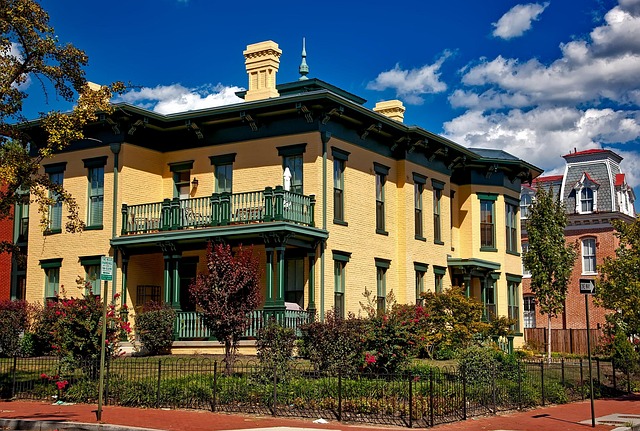
For history buffs and architecture enthusiasts, what to see in Washington DC offers a cornucopia of unique photo ops centered around its iconic and historic monuments. The capital is a treasure trove for capturing stunning images that tell stories of America’s past. From grand marble structures to intimate stone memorials, the city provides countless opportunities to frame breathtaking photos.
Among the most striking dc historic monuments are the Lincoln Memorial, with its colossal statue and majestic columns, and the Washington Monument, a towering obelisk symbolizing the nation’s founding father. These landmarks not only serve as focal points for historical photography but also offer rich backgrounds for capturing moments of reflection and awe. For those looking to delve deeper into the city’s architectural heritage, exploring the National Mall reveals a diverse array of designs, from the neoclassical to the modernist.
In addition to these iconic structures, smaller, often overlooked dc historic monuments like the Franklin D. Roosevelt Memorial and the Martin Luther King Jr. Memorial provide intimate settings for powerful photographs. These sites offer opportunities to capture both the grandeur of the buildings and the emotional resonance they hold, making them ideal for creating visually compelling and contextually rich images. For photography enthusiasts visiting what to see in Washington DC, exploring these historic monuments and architectural marvels is a must, offering not only stunning backdrops but also a deeper connection to the city’s rich history.
Natural Beauty Spots for Stunning Backdrops

When visiting Washington DC, beyond its iconic historic monuments like the Lincoln Memorial or National Mall, there lies a wealth of natural beauty spots that serve as stunning backdrops for unforgettable photos. The city’s diverse landscapes range from tranquil parks to picturesque waterways, offering visitors ample opportunities to capture breathtaking images. For those looking to what to see in Washington DC naturally, consider these prime locations.
The Tidal Basin, renowned for its cherry blossom trees, is a quintessential DC landmark that provides a captivating backdrop for photos during the spring season. This iconic waterway stretches along 10 miles of scenic paths, where you can find secluded spots with blooming sakura against the city’s skyline. Similarly, the C&O Canal offers picturesque views with historic lockhouses and verdant trails, perfect for capturing rustic scenes amidst DC’s urban environment. For a more panoramic view, Rock Creek Park invites visitors to explore its 1754 acres of rolling hills, dens forests, and tranquil streams, all within easy reach of downtown DC.
Beyond these, the city’s diverse neighborhoods boast their own natural gems. The National Arboretum, with its vast collection of plants and trees, is a haven for nature enthusiasts seeking a serene setting for photography. In contrast, the urban oasis that is Meridian Hill Park (aka “The Steps”) offers dramatic views of the Washington Monument against a backdrop of cascading greenery. For historic monuments in DC and their surroundings, these natural beauty spots not only provide aesthetic appeal but also a sense of tranquility, making them ideal locations for capturing the essence of the city’s rich history and vibrant present.
Uncovering Hidden Gems for Creative Snapshots
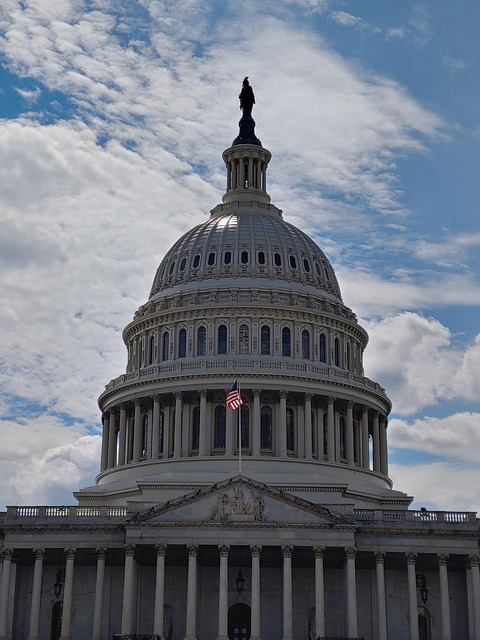
Unveiling Washington DC’s Hidden Gems for Creative Photography
Beyond the iconic landmarks, Washington DC harbors a wealth of visually captivating spots that cater to creative photographers seeking unique frames. While many visitors stick to well-trodden paths, exploring lesser-known areas can yield unexpected rewards, offering perspectives often missed by the typical tour group. This approach not only allows for more intimate interactions with the city’s character but also results in distinctive, memorable images.
Consider navigating away from the bustling National Mall and venturing into the city’s diverse neighborhoods. For instance, the historic Shaw neighborhood boasts charming, well-preserved rowhouses that create a captivating backdrop for urban photography. Additionally, the C&O Canal, which bisects the city, provides a serene setting with picturesque bridges and scenic vistas, ideal for capturing peaceful moments. These hidden gems offer not only intriguing visual elements but also a chance to immerse oneself in DC’s rich tapestry of history and culture, such as the DC historic monuments scattered throughout the city.
For those interested in architectural photography, DC’s diverse building portfolio presents ample opportunities. From the grand government buildings on Capitol Hill to the contemporary structures in the U Street Corridor, every corner holds a potential masterpiece. Furthermore, exploring during different times of day can dramatically alter the mood and lighting, adding another layer to your creative process. Whether you’re a seasoned photographer or an amateur enthusiast, devoting time to uncover these hidden treasures will undoubtedly enrich your portfolio with distinctive, authentic visuals that capture the essence of Washington DC.
Exploring Museum Courtyards for Artistic Photos
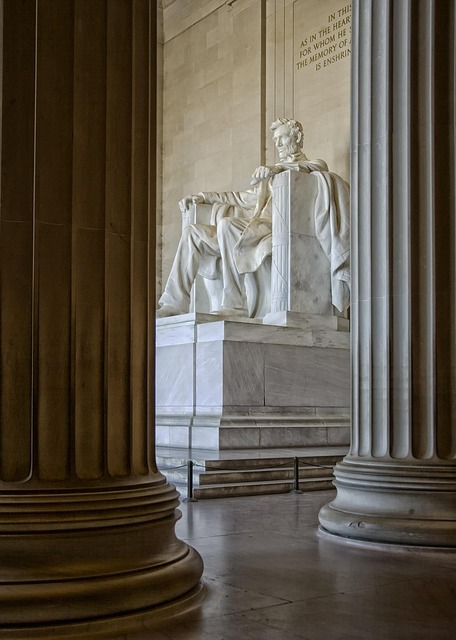
Exploring Museum Courtyards for Artistic Photos
Many visitors to Washington DC focus on capturing iconic landmarks like the Capitol Building or Lincoln Memorial through their camera lenses, but a lesser-known treasure awaits those looking to elevate their photography game: museum courtyards. These often overlooked spaces offer stunning backdrops that merge art, history, and natural beauty. By venturing beyond the main exhibits and exploring these oases within DC’s cultural institutions, you can discover unique perspectives and create visually captivating photographs that tell stories of both the city’s rich heritage and its vibrant artistic scene.
DC’s museums are renowned for their impressive collections and architecturally significant buildings, but their courtyards provide a quieter, more intimate setting where light plays with sculpture and historical monuments in unexpected ways. For instance, the National Gallery of Art’s courtyard features elegant fountains and sprawling greens that create a serene ambiance, while the Smithsonian American Art Museum’s courtyard offers a charming blend of historic architecture and contemporary art installations. These spaces are not only ideal for capturing intricate details of sculptures or architectural elements but also allow you to experiment with composition, lighting, and different camera angles.
When visiting DC, make it a point to linger in the courtyards of its numerous museums. You’ll be rewarded with opportunities to capture stunning images that go beyond the typical tourist photograph. Whether you’re aiming to create black-and-white masterpieces highlighting the play of light on ancient artifacts or vibrant color shots showcasing contemporary artworks amidst lush greenery, these courtyards provide a natural canvas for artistic expression. Remember, patience and observation are key; wait for the perfect moment when the light is just right, or experiment with different times of day to see how the atmosphere changes. DC’s historic monuments, after all, make for impressive subjects, but it’s the lesser-known spaces that often reveal their beauty through your lens.
Capturing Symbolism: DC's Most Meaningful Landmarks
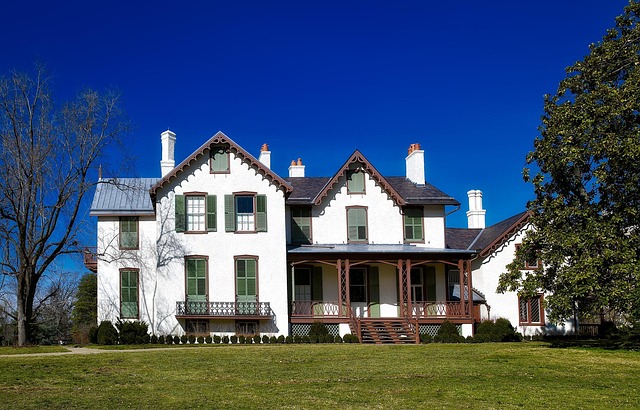
Washington, DC, a city brimming with historical significance, offers an array of landmarks that capture the essence of American history and democracy. These iconic structures, spread across the nation’s capital, serve as powerful symbols, each telling its own unique story. Beyond what to see in Washington DC naturally, these historic monuments offer visitors a profound understanding of the nation’s past, present, and future aspirations.
One such example is the Lincoln Memorial, an enduring testament to President Abraham Lincoln’s leadership during one of the country’s most tumultuous periods. Carved into the massive marble structure are words from the Gettysburg Address, encapsulating the ideals of equality and unity that continue to shape American society. This monument, much like others across DC, stands as a beacon, inviting reflection on the nation’s fight for freedom and justice. Similarly, the Washington Monument, with its towering presence, symbolizes the foundational role played by George Washington in establishing the United States.
The National Mall, where these monuments reside, is more than just a collection of stone and marble; it is a living canvas that represents the democratic values upon which America was founded. The Capitol Building, with its grand architecture, underscores the city’s legislative heart while the Supreme Court, nestled nearby, embodies the rule of law. These DC historic monuments do not merely stand as static structures; they are dynamic elements that encourage open dialogue and celebrate the ongoing evolution of American democracy. For visitors, exploring these landmarks offers a chance to engage with history on a personal level, leaving an indelible mark on their understanding of what it means to be an American.