Plan memorable Washington DC events by aligning with diverse cultural offerings, strategically choosing venues, and understanding ticket types & pricing. Succeed through meticulous logistics management, technology integration, and prioritizing attendee experiences to positively impact the city's cultural landscape.
In the vibrant landscape of Washington DC events, navigating ticketed experiences can be a daunting task. From cultural festivals to thought-provoking seminars, understanding what’s worth your time and budget is crucial. This comprehensive guide aims to demystify the process, offering an authoritative resource for discerning event attendees in the nation’s capital. We’ll dissect the complexities of ticketing, from early access passes to exclusive experiences, equipping you with the knowledge to make informed decisions. Discover the secrets to securing the best seats at Washington DC events and maximize your cultural and educational encounters.
- Planning Your Washington DC Events Experience
- Understanding Ticket Types and Prices
- Navigating Logistics for a Smooth Event Visit
Planning Your Washington DC Events Experience

Planning your Washington DC events experience requires a strategic approach to ensure a memorable and successful event. First, consider Washington DC events cater to diverse interests, from high-profile political gatherings to vibrant cultural festivals. Researching the city’s rich calendar of dc cultural events will help you align your event with the prevailing themes and attract the right audience.
Utilize online resources like Eventbrite and Meetup, which offer robust search filters allowing you to narrow down options based on date, location, category, and even ticket price. This systematic approach ensures you discover events that complement your goals while appealing to participants. For instance, during September, Washington DC is host to the Smithsonian Folklife Festival, showcasing diverse cultural traditions – a prime opportunity for aligning with local communities interested in dc cultural events celebrating heritage.
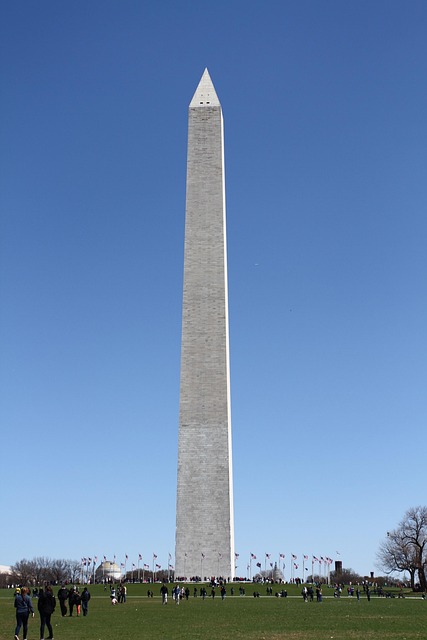
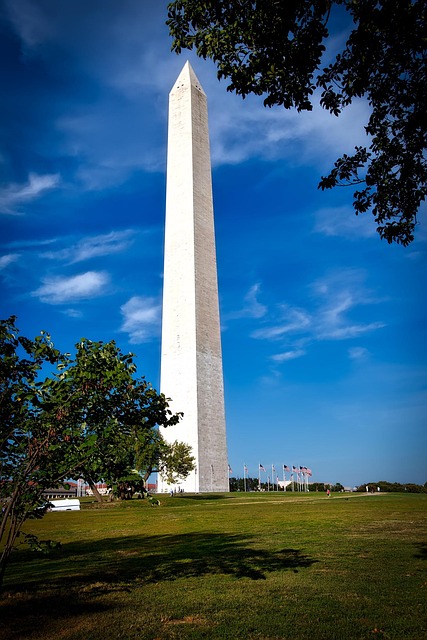
Once you’ve identified relevant Washington DC events, carefully consider venue selection. The city boasts an array of options, from historic landmarks like the National Mall to modern event spaces within towering skyscrapers. Think about the nature of your event – is it a formal conference requiring elegant settings, or a more casual gathering that thrives in a relaxed atmosphere? Analyzing your audience demographics and their preferred environments will guide your decision.
Moreover, explore partnerships with local organizations or institutions specializing in dc cultural events. Collaborations can offer invaluable resources, such as marketing reach, logistical support, or access to unique spaces. For example, partnering with the Kennedy Center for the Performing Arts could elevate a showcase event featuring local talent, infusing it with the prestigious ambiance of one of Washington DC’s premier cultural hubs.
Understanding Ticket Types and Prices
Understanding Ticket Types and Prices in Washington DC Events
When planning to attend a Washington DC event, understanding ticket types and prices is crucial for making informed decisions. The District’s vibrant cultural events scene offers a diverse range of experiences, from world-class museums and art exhibitions to lively music festivals and theatrical performances. Each type of event typically comes with distinct ticketing structures designed to cater to various attendee preferences and budgets.
One common ticket type in Washington DC events is the general admission (GA) ticket. GA tickets are often the most affordable option, providing access to the main floor or general seating area. For example, many popular cultural events in venues like the National Gallery of Art or the Kennedy Center offer GA tickets that allow visitors to enjoy the show without reserved seating. These tickets usually sell for a flat rate, making them accessible to a wide range of attendees. However, it’s essential to note that demand for GA tickets can be high, leading to long lines or limited availability.
Premium ticket options are also prevalent in DC cultural events, offering enhanced experiences at a higher price point. These tickets often include reserved seating, early entry, exclusive after-parties, or access to VIP lounges. For instance, ballet and opera performances at the Ford’s Theatre or Lincoln Center may offer premium packages that provide a more intimate and luxurious viewing experience. Prices for these tickets reflect the added amenities and typically cater to patrons seeking a more personalized engagement with the event.
Additionally, many Washington DC events incorporate dynamic pricing strategies to optimize attendance and revenue. This practice involves adjusting ticket prices based on demand throughout the event’s duration. For example, popular concerts or theater productions may offer lower prices during less crowded timeslots to encourage attendance throughout the entire event. Understanding these price fluctuations can help attendees secure the best deals while ensuring they have a fulfilling experience at DC cultural events.
Navigating Logistics for a Smooth Event Visit
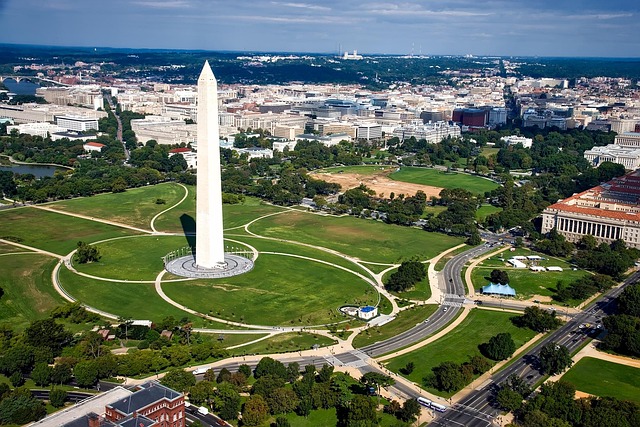
Planning a successful event in Washington DC requires meticulous logistics management, especially considering the city’s vibrant cultural events scene. The nation’s capital is renowned for its diverse range of gatherings, from high-profile political conventions to artistic festivals and historical commemorations. For event organizers, navigating this dynamic environment demands strategic planning and attention to detail to ensure a seamless experience for attendees.
Logistics in Washington DC events naturally involves addressing unique challenges such as securing permits for outdoor spaces, managing traffic flow in congested urban areas, and coordinating with numerous cultural institutions hosting concurrent dc cultural events 1-3 times during peak seasons. Understanding local regulations and collaborating closely with city officials is crucial to avoid delays and ensure compliance. For instance, organizers of large-scale festivals must adhere to stringent safety protocols and noise restrictions, often requiring early permit applications and regular communication with authorities throughout the planning process.
Effective logistics management begins with meticulous venue selection. Considering proximity to public transportation hubs, accessibility for attendees with disabilities, and adequate space for expected crowds are essential considerations. Additionally, organizers should leverage technology to streamline operations. Mobile apps can enhance attendee experiences by providing event schedules, interactive maps, and real-time updates on any changes or delays. Integrating digital solutions not only improves efficiency but also allows for better data collection and analysis, enabling post-event evaluations and strategic planning for future dc cultural events.
Ultimately, a successful event in Washington DC relies on meticulous logistics planning and execution. By proactively addressing potential hurdles, leveraging technology, and prioritizing attendee experiences, organizers can create memorable gatherings that contribute to the city’s rich cultural tapestry. Staying informed about local regulations, collaborating with community partners, and embracing innovative solutions will ensure that each event leaves a lasting positive impact in this dynamic urban setting.