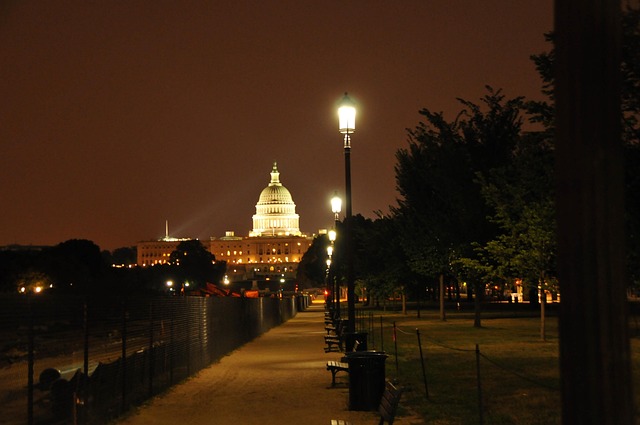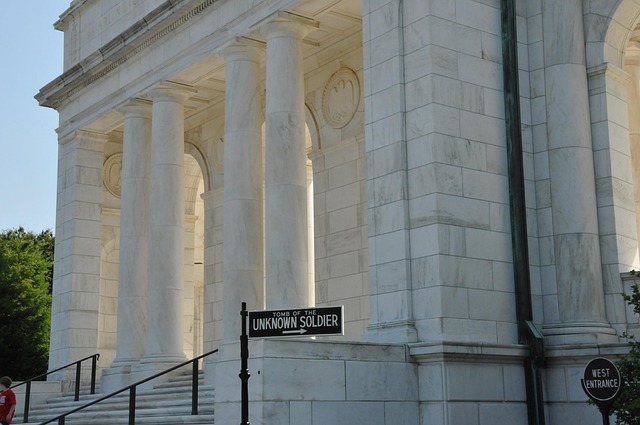
Washington DC events after dark leverage the city's cultural landmarks and vibrant culinary scene to create memorable experiences. Venue selection ranges from historic sites to modern spaces, aligning with event theme and atmosphere. Strategic guest list curation balances familiarity and novelty for engaging interactions. Designers craft immersive environments blending aesthetics and local influences, paying homage to DC's history. Catering and beverage choices match ambiance, offering diverse options and innovative trends. Marketing through digital platforms, influencers, and targeted campaigns promotes events, attracting locals and visitors seeking unique cultural experiences.
The vibrant after-dark event scene in Washington DC events is a testament to the city’s dynamic cultural landscape, attracting both locals and visitors alike. However, navigating this thriving scene can be overwhelming, with countless options spanning from high-profile galas to intimate art exhibitions. This article delves into the intricacies of the DC nightlife, exploring how attendees can optimize their experiences while uncovering hidden gems among the bustling crowds. We’ll provide expert insights on identifying top-tier events, understanding the evolving landscape, and securing unforgettable after-hours memories in our capital city.
- Planning an After-Dark Event in Washington DC
- Choosing the Perfect Venue for Night Events
- Crafting an Engaging Guest List for Dark-Hour Gatherings
- Designing Thematic Décor for Washington DC Events at Night
- Selecting Enticing Catering and Beverages for After-Dark Soirees
- Promoting and Marketing Your Evening Event Effectively
Planning an After-Dark Event in Washington DC
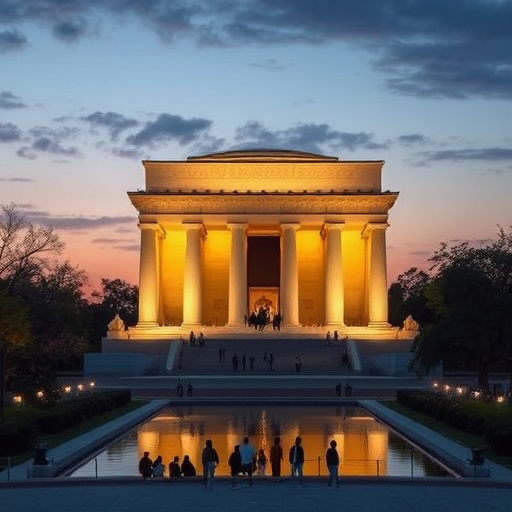
Planning an after-dark event in Washington DC requires a deep understanding of the city’s vibrant cultural landscape and its unique ability to transform into an enchanting evening destination. The nation’s capital is renowned for its diverse range of dc events that captivate audiences well past sunset, from captivating performances at historic venues to immersive art exhibitions. Successful organizers leverage this rich environment, offering guests memorable experiences that blend history, culture, and modern entertainment.
One key strategy involves leveraging the city’s iconic landmarks and museums. The Smithsonian Institutions, for example, host after-hours events like “After Dark” at the National Museum of American History, featuring live music, curated tours, and exclusive access to exhibits. Similarly, the National Gallery of Art hosts enchanting evening tours, allowing visitors to appreciate its vast collection under the stars. These venues not only provide a unique setting but also cater to a wide range of interests, making them ideal choices for diverse events.
DC’s thriving culinary scene is another essential element in crafting memorable after-dark gatherings. The city boasts an array of restaurants and bars offering al fresco dining experiences, rooftop lounges with breathtaking views, and hidden gems tucked away in historic districts. Pairing culinary delights with cultural performances or live music creates a harmonious blend of sensory experiences that define the dc event scene. Whether hosting a private dinner party on the National Mall or a themed cocktail reception at a trendy Capitol Hill establishment, organizers can tap into DC’s dynamic culture to create events that leave lasting impressions.
Choosing the Perfect Venue for Night Events
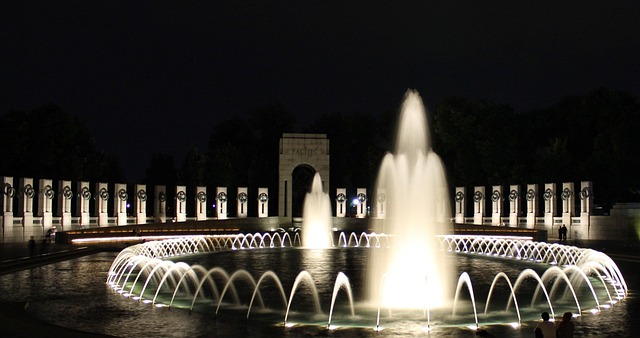
When planning an after-dark event in Washington DC, selecting the right venue is paramount to its success. The city’s vibrant cultural events scene offers a diverse range of options, from historic landmarks and art galleries to modern event spaces and rooftop bars. A thoughtful choice should align with your event’s theme, target audience, and desired atmosphere.
Consider the unique character of Washington DC itself—a city rich in history, politics, and culture. Event venues that highlight these aspects can provide a memorable experience for attendees. For instance, hosting an art exhibition or poetry reading at the National Gallery of Art or a political panel discussion at George Washington University’s Jack Kent Cooke Hall not only offers exceptional ambiance but also establishes connections to DC’s core identity. Moreover, many cultural events in Washington DC cater to diverse communities and interests, ensuring inclusivity and attracting a broader audience.
When selecting a venue, location plays a crucial role. Central districts like Georgetown or Dupont Circle are popular for their lively atmospheres and easy accessibility. These areas boast a plethora of event spaces, from cozy cocktail lounges to grand ballrooms, perfect for various occasions. Alternatively, exploring hidden gems in neighborhoods like Adams Morgan or Capitol Hill can unveil unique venues with character and charm. These lesser-known spots often offer more intimate settings ideal for smaller gatherings or experiential events.
Lastly, don’t underestimate the power of seasonal considerations. Autumn and winter months bring a cozy allure to indoor venues, while spring and summer invite outdoor celebrations. Washington DC’s many parks and public spaces, such as the National Mall or Meridian Hill Park (also known as The Hill), offer picturesque backdrops for al fresco events. Staying attuned to these nuances will ensure your after-dark event not only stands out but also resonates deeply with its participants.
Crafting an Engaging Guest List for Dark-Hour Gatherings
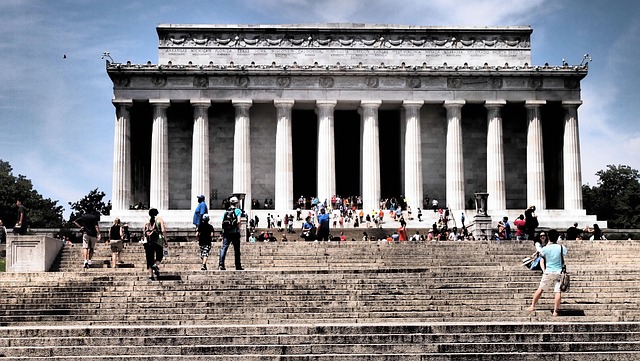
Crafting an engaging guest list for after-dark gatherings is a delicate art, especially when curating events in vibrant cities like Washington DC, renowned for its dynamic cultural scene. The success of these later-evening affairs significantly hinges on the quality and diversity of attendees. In Washington DC events, where the cultural buzz never sleeps, selecting guests who resonate with the theme and each other is crucial. This strategic approach fosters meaningful interactions, ensuring that every guest feels welcomed and appreciated.
When planning dc cultural events, organizers should aim for a balance between familiarity and novelty. Inviting both regular attendees and newcomers ensures a sense of community while introducing fresh perspectives. For instance, an art exhibition opening in Georgetown could include seasoned collectors and local artists alongside tech entrepreneurs and diplomatic personnel. This blend encourages diverse conversations and creates a dynamic atmosphere that captivates guests long after the sun sets. Moreover, leveraging social media platforms and event apps can help organizers reach a wider audience and encourage RSVP responses, streamlining the guest list management process.
To maximize engagement, consider hosting events in spaces that naturally evoke a certain ambiance. Washington DC’s historic landmarks or rooftop venues with cityscape views offer unique backdrops that enhance the overall experience. For example, a literature-themed cocktail party at the National Library of Congress could create an intimate setting where literary enthusiasts bond over shared interests. By combining thoughtful guest selection and carefully curated environments, event organizers in the nation’s capital can create after-dark gatherings that leave a lasting impression, enriching Washington DC events’ reputation as cultural hotspots.
Designing Thematic Décor for Washington DC Events at Night
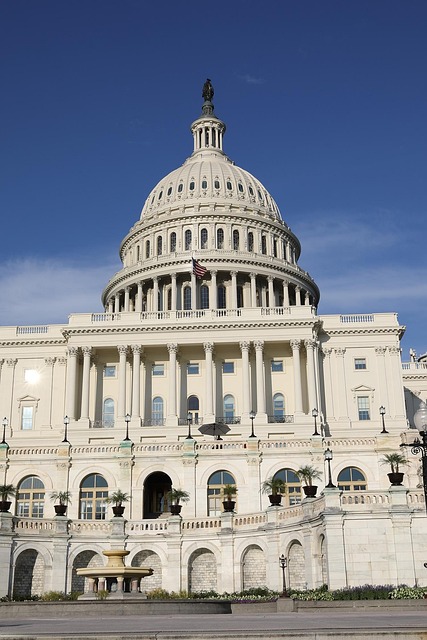
The after-dark event scene in Washington DC is renowned for its vibrant energy and diverse offerings. As a hub of cultural activity, the city’s events often demand a visually captivating ambiance that complements the experience. This is where designers play a pivotal role, particularly when it comes to thematic décor. Crafting immersive environments that transport attendees into enchanting worlds is an art, one that requires a deep understanding of both aesthetics and the client’s vision.
Designing for washington dc events presents a unique challenge due to the city’s rich history and diverse cultural landscape. Event planners must strive to create spaces that are not only visually stunning but also meaningful, reflecting the essence of the occasion while paying homage to DC’s iconic landmarks and symbols. For instance, a gala celebrating international diplomacy might incorporate elegant period furnishings reminiscent of the city’s historic buildings, subtly weaving in elements of global culture through lighting and floral arrangements. This strategic approach ensures that the event is both memorable and authentic within the context of its location.
Practical insights for planners involve careful consideration of venue constraints, lighting solutions, and the use of props and backdrops. Effective thematic décor should tell a story, guiding attendees through an immersive journey from arrival to departure. Incorporating interactive elements or surprise revelations at strategic points can enhance engagement. For DC cultural events, leveraging local artistic influences and historical references adds depth and authenticity. Collaborations with artists and designers who understand the city’s unique character can yield exceptional results, ensuring that each event becomes a testament to Washington DC’s vibrant spirit.
Selecting Enticing Catering and Beverages for After-Dark Soirees
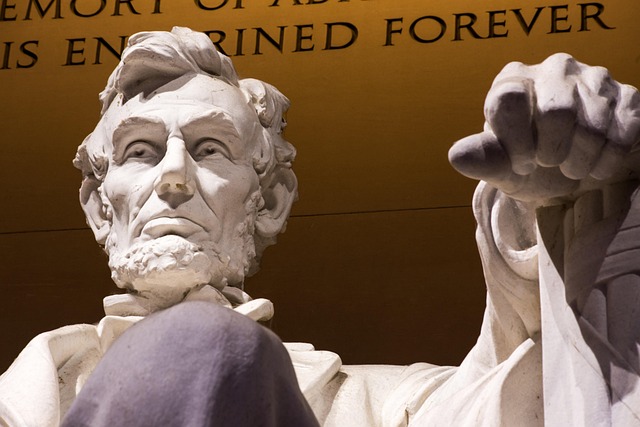
When crafting an unforgettable after-dark soiree in Washington DC events, meticulous selection of catering and beverages is paramount. Guests expect a sensory experience that complements the event’s atmosphere, whether it’s a chic cocktail reception or an elegant dinner party. In the vibrant DC cultural events scene, where competition for attention is fierce, memorable food and drink choices can set your gathering apart.
Consider the ambiance and theme of your gathering. For a sophisticated Washington DC events venue like a rooftop terrace overlooking the city lights, offer a curated selection of craft cocktails alongside small plates that showcase local flavors. Think seasonal ingredients sourced from area farmers’ markets, such as crispy fall squash dishes paired with artisanal ciders or refreshing summer bites featuring locally caught seafood and micro-brewed beers. DC cultural events often celebrate diversity, so incorporate a variety of options to cater to diverse dietary restrictions and preferences.
Beyond traditional fare, explore innovative trends that reflect the dynamic nature of the city. Interactive food stations featuring interactive elements like build-your-own tapas or fusion cuisine fusion can encourage mingling and create memorable experiences. Local mixologists can create signature cocktails inspired by Washington DC events history or contemporary landmarks, offering guests a unique taste of the city. By balancing familiarity with novelty, you ensure both satisfaction and intrigue, making your after-dark soiree a talking point among attendees and local insiders alike.
Promoting and Marketing Your Evening Event Effectively
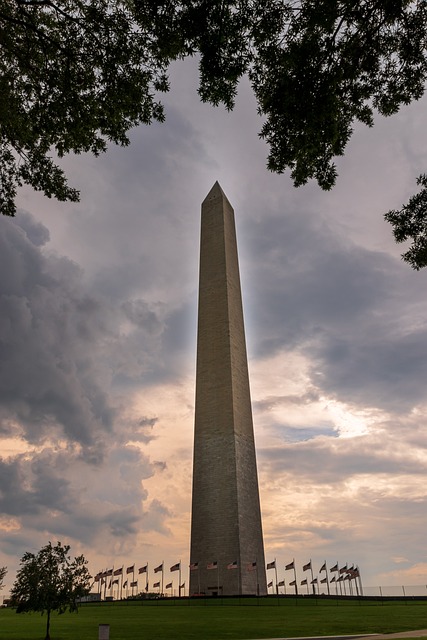
Promoting a successful after-dark event in Washington DC requires a strategic marketing approach tailored to engage local audiences and draw visitors interested in unique cultural experiences. With fierce competition from a vibrant city renowned for its diverse events scene, effectively showcasing your offering is crucial. Positioning your event as a must-attend experience within the dynamic tapestry of DC cultural events demands creativity and precision.
Utilize digital platforms to reach a broad spectrum of potential attendees. Social media marketing, particularly through Instagram and Facebook, has proven highly effective in generating buzz around evening gatherings in the nation’s capital. Craft visually appealing content showcasing the event atmosphere, entertainment highlights, and unique aspects that set your Washington DC events apart. Leverage local influencers who can amplify your message to relevant audiences. For instance, partnerships with popular food bloggers or cultural ambassadors can attract a dedicated following eager to experience the latest offerings in the city’s vibrant nightlife.
Data from industry sources reveals that targeted online advertising campaigns yield significant results for event organizers in DC. Tailoring promotions to specific demographics and interests ensures your message resonates with the right audience. Consider sponsoring local events or partnering with established cultural institutions to cross-promote, leveraging their existing networks and credibility. For example, collaborations with renowned art galleries or historic sites can attract their dedicated visitor bases, diversifying your event’s attendance. By intertwining your offering seamlessly into DC’s rich cultural fabric, you enhance its appeal and foster a sense of community engagement.