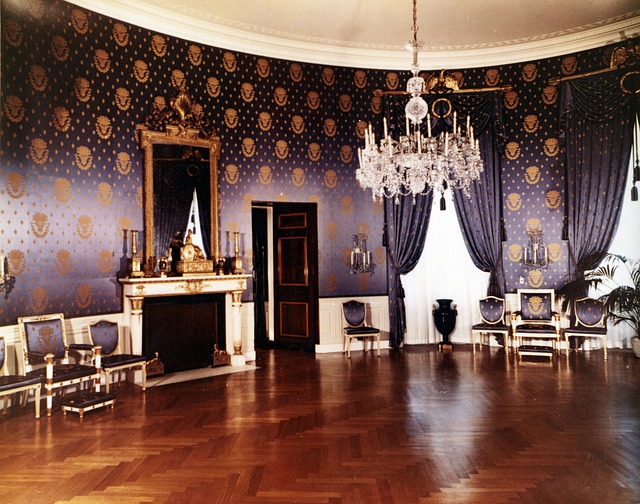
Washington DC's architectural heritage offers a captivating journey through history with iconic landmarks like the Lincoln Memorial and Washington Monument on the National Mall. Neighborhoods showcase diverse styles from neoclassical to Art Deco. Guided tours and local walks provide immersive experiences. Beyond iconic sites, hidden gems include neoclassical and modern architectural marvels. Balancing high-profile attractions with lesser-known sights ensures a comprehensive understanding of what to see in Washington DC naturally—its historical significance and vibrant contemporary culture.
In the realm of architectural appreciation, Washington DC stands as a treasure trove for enthusiasts and professionals alike. The city’s iconic skyline is a testament to its rich history and diverse cultural influences, offering a visual feast that attracts millions annually. However, navigating the vast array of architectural styles and gems can be daunting. This guide aims to empower both visitors and locals by providing an authoritative overview of DC’s architectural icons. We’ll delve into must-see structures, highlighting their unique designs, historical significance, and what makes them stand out in the nation’s capital. Prepare to embark on a journey through time and style, uncovering what to see in Washington DC that showcases its architectural brilliance.
- Historical Landmarks: Discovering DC's Architectural Heritage
- Iconic Styles: From Neoclassical to Modern Marvels
- National Monuments: Exploring America's Grand Designs
- Hidden Gems: Unveiling DC's Lesser-Known Treasures
- Planning Your Tour: A Practical Guide to What to See in Washington DC
Historical Landmarks: Discovering DC's Architectural Heritage

Washington, D.C., is renowned for its rich history and architectural grandeur, making it a haven for those fascinated by historical landmarks. Discovering DC’s architectural heritage involves wandering through time, exploring structures that have witnessed pivotal moments in American history. This guide offers an insightful journey into the heart of the city’s built environment, revealing what to see in Washington, D.C., beyond its iconic monuments.
The District’s historic core boasts a diverse array of architectural styles, from neoclassical grandeur to Art Deco elegance. The National Mall, for instance, showcases landmarks like the Lincoln Memorial and the Washington Monument, towering testimonials to the nation’s past. These dc historic monuments stand as enduring symbols of American ideals, each with its own captivating story. Beyond the Mall, exploring neighborhoods like Georgetown and Dupont Circle unveils elegant townhouses, grand federal-style buildings, and hidden gems that tell tales of the city’s evolution over centuries.
Practical insights for visitors are abundant. Many of these historic sites offer guided tours, allowing guests to delve deeper into the architecture and history. Additionally, local architectural walks and tours provide an immersive experience, often led by experts who share fascinating anecdotes and lesser-known facts. Engaging with these offers a unique perspective on what to look for during your visit, ensuring you don’t miss the intricate details that bring DC’s architectural heritage to life. Whether exploring independently or through organized efforts, immersing oneself in the city’s historical landmarks promises an enriching cultural encounter.
Iconic Styles: From Neoclassical to Modern Marvels

The architectural landscape of Washington DC is a testament to its rich history and cultural significance. Iconic styles spanning centuries define the city’s built environment, from neoclassical masterpieces that reflect its founding principles to modern marvels symbolizing contemporary innovation. Understanding these diverse styles offers a deeper appreciation for the capital’s architectural heritage.
Neoclassical structures dominate the DC skyline, epitomized by landmarks like the US Capitol and the National Gallery of Art. These grand buildings, characterized by symmetry, columned facades, and pediments, pay homage to the classical architecture of ancient Greece and Rome. The Lincoln Memorial, another iconic DC monument, exemplifies this style with its colossal dome and columned portico. Exploring these neoclassical gems provides a glimpse into the city’s commitment to aesthetics and historical continuity.
Transitioning to modern architectural marvels, Washington DC reveals a dynamic contrast. The National Museum of African American History and Culture, for instance, showcases an innovative design that blends history and contemporary expression. Its distinctive bronze-tinted glass facade is a striking departure from traditional architecture, reflecting the museum’s mission to illuminate diverse narratives. This fusion of old and new reflects the city’s ongoing evolution as a cultural hub where historical respect meets modern vision.
To truly grasp DC’s architectural essence, visitors should prioritize exploring its historic monuments. The National Mall, for example, is a canvas of iconic buildings and sculptures that tell the story of the nation’s history. By strolling along this scenic pathway, one can witness the interplay between neoclassical grandeur and modern design, providing an immersive experience of what to see in Washington DC. Whether appreciating the timeless elegance of classical structures or marveling at contemporary innovations, DC offers a captivating journey through architectural styles that have shaped its identity.
National Monuments: Exploring America's Grand Designs

America’s National Monuments stand as testaments to its rich history, diverse landscapes, and architectural grandeur—a testament to what to see in Washington DC for those seeking a deeper understanding of our nation’s past. These designated landmarks, scattered across the country, encapsulate pivotal moments, celebrate cultural heritage, and honor figures who shaped our collective narrative. In the heart of the nation’s capital, Washington DC boasts an impressive collection of historic monuments that offer visitors a unique glimpse into America’s story.
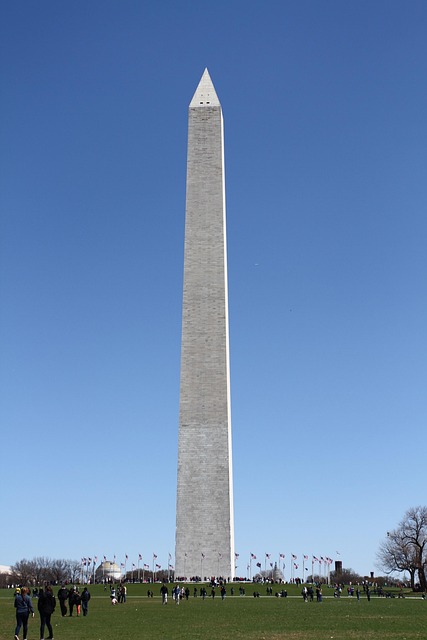
The District’s diverse range of National Monuments showcases its architectural depth and historical significance. Among these, the Lincoln Memorial, with its colossal statue of Abraham Lincoln, dominates the landscape. This monument, dedicated in 1922, serves as a powerful reminder of the nation’s struggle for freedom and equality, reflecting what DC offers naturally in terms of cultural and political history. Similarly, the Washington Monument, erected in 1884, stands tall as an iconic symbol of American leadership, offering panoramic views of the city from its observation deck. These dc historic monuments not only captivate with their grand designs but also educate visitors about pivotal periods in American history.
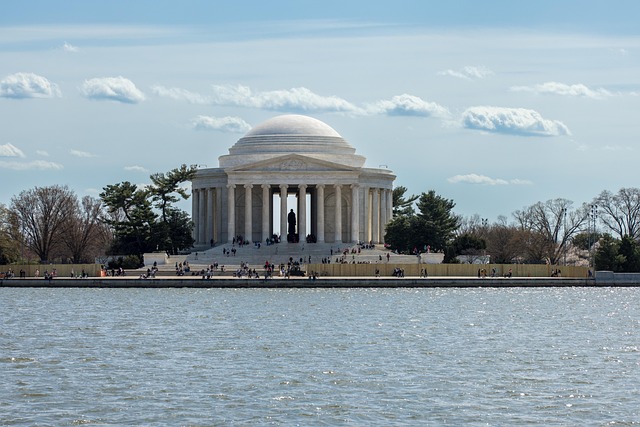
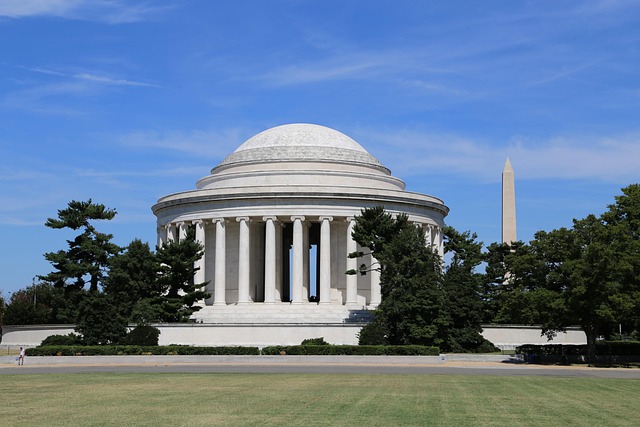
Exploring these National Monuments provides a comprehensive understanding of Washington DC’s architectural heritage and its role in shaping the nation. Each monument tells a unique story, inviting visitors to delve into America’s past. For those seeking immersive experiences that blend history, architecture, and cultural significance, a visit to these landmarks is indispensable. Whether it’s the iconic Lincoln Memorial or the elegant Jefferson Memorial, each dc historic monument offers insights and perspectives that enrich one’s appreciation of our shared heritage.
Hidden Gems: Unveiling DC's Lesser-Known Treasures
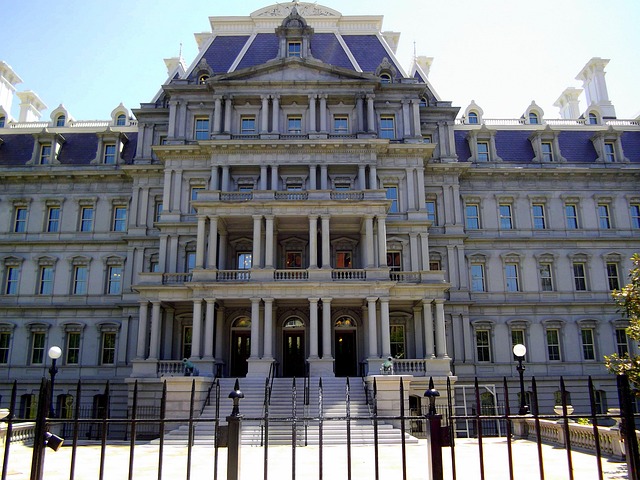
Washington DC is renowned for its iconic landmarks like the Capitol Building, Lincoln Memorial, and Washington Monument—but beyond these famous sights lies a trove of lesser-known architectural gems waiting to be discovered. This hidden side of the city offers visitors an opportunity to delve deeper into DC’s rich history, cultural heritage, and innovative design. Among the many dc historic monuments that adorn the capital, these often-overlooked structures demand attention for their unique aesthetics, historical significance, or contemporary relevance.
One such gem is the Franklin Square Fountain, a neoclassical masterpiece designed by prominent architect John Smelley in 1870. Located within Franklin Square, this vibrant park is a peaceful oasis amidst the bustling city. The fountain, adorned with mythical figures and intricate carvings, is not only a striking visual but also holds a place in DC’s history as a gathering spot for social events and public celebrations throughout the years. Nearby, the Old City Hall, constructed in 1873, showcases Victorian Gothic architecture with its towering spires and ornate details, reflecting the era’s architectural sensibilities.
For those seeking a blend of history and contemporary design, the National Gallery of Art’s East Building, designed by I.M. Pei, stands out as a beacon of modern architecture. This striking addition to the gallery’s collection features an exterior of brushed bronze and large-scale glass panels that create a dramatic contrast with its classical neighbors. Inside, visitors are treated to a vast space filled with contemporary artworks from around the globe, offering a unique perspective on what to see in Washington DC naturally for art enthusiasts. Other notable dc historic monuments include the U.S. Customs House, formerly known as the Treasury Building, which boasts an impressive Greek Revival design, and the National Museum of African American History and Culture, where architectural innovation seamlessly blends with powerful storytelling.
Planning Your Tour: A Practical Guide to What to See in Washington DC

Planning Your Tour: A Practical Guide to What to See in Washington DC
Washington DC is a city steeped in history and architectural grandeur, offering visitors an unparalleled opportunity to explore iconic landmarks and hidden gems alike. To make the most of your time, it’s essential to have a strategic plan for your tour that focuses on what to see in Washington DC based on both significance and accessibility. The city boasts an impressive array of historic monuments, museums, and public spaces that cater to diverse interests.
For those seeking an immersive historical experience, the National Mall is a must-visit, stretching from the Lincoln Memorial to the Capitol Building and housing some of the nation’s most revered monuments. Here, you can stand before the towering Washington Monument, ponder the profound messages etched into the Vietnam Veterans Memorial Wall, and marvel at the grandeur of the U.S. Capitol itself. This area is not only rich in symbolism but also offers a panoramic view of the city’s skyline, making it a prime spot for memorable photos. Beyond the Mall, DC’s history extends into its diverse neighborhoods, each with unique architectural styles and cultural narratives. Georgetown, for example, showcases elegant Victorian townhouses and historic rowhouses, while Mount Vernon Square is known for its neoclassical buildings and vibrant street life.
When planning your itinerary, consider allocating time for both iconic landmarks and lesser-known gems. The National Portrait Gallery and the Smithsonian Institution’s diverse museums offer a wealth of cultural knowledge, while hidden oases like the U.S. Botanic Garden and the Enid A. Haupt Garden provide tranquil escapes within the urban landscape. To fully appreciate what to see in Washington DC, it’s beneficial to mix high-profile attractions with local favorites, ensuring you experience both the city’s profound historical significance and its vibrant contemporary culture.