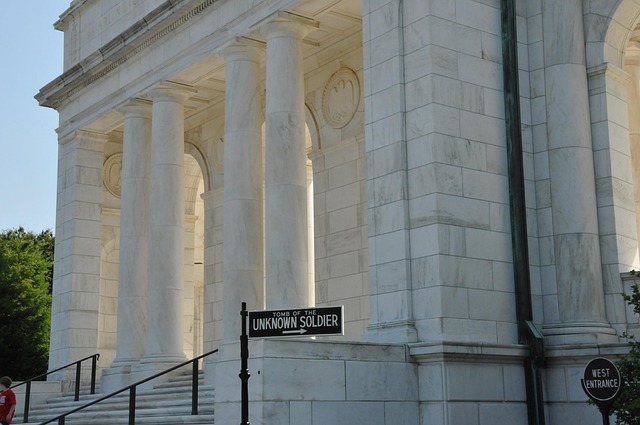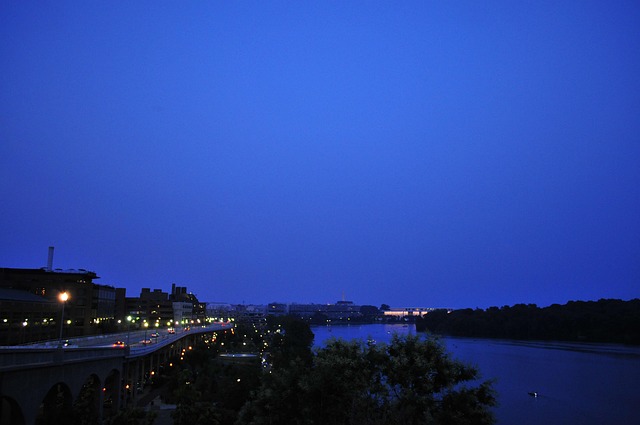
Washington DC's Heritage Corridor (10-mile route) reveals hidden historical gems beyond typical sights, offering diverse experiences. Must-sees include iconic landmarks like the Lincoln Memorial and Smithsonian Institutions, alongside lesser-known Historic House Museums. The city's architectural styles—neoclassical, Victorian, Gothic Revival, Art Deco—enhance its cultural heritage. Preserving DC's history through guided tours, educational programs, and community involvement ensures a balanced urban landscape while showcasing what to see in Washington DC naturally.
The Heritage Corridor Map stands as a critical tool for understanding and preserving the rich history and cultural tapestry of Washington, D.C., and its surroundings. This vibrant city, known for its iconic landmarks and political significance, boasts an array of architectural marvels, historic sites, and cultural institutions that tell the story of its diverse communities. However, rapid urban development poses a threat to these cherished heritage assets. This article delves into the intricacies of preserving Washington’s historical fabric through the lens of the Heritage Corridor Map, offering insights into what to see in Washington, D.C., while highlighting strategies for sustainable growth that respect and celebrate the city’s past.
- Discovering Washington DC's Hidden Historical Gems
- Unveiling the Heritage Corridor: A Cultural Journey
- Iconic Landmarks: What to See in Washington DC
- Exploring DC's Diverse Architectural Styles
- Preserving the Past: Initiatives and Challenges
Discovering Washington DC's Hidden Historical Gems

Washington DC, a city rich in history and culture, boasts an array of hidden historical gems that often go unnoticed by casual visitors. To truly appreciate the depth of this capital city’s past, exploring its Heritage Corridor is a must. This scenic route spans nearly 10 miles, meticulously weaving together key landmarks, museums, and monuments that tell the story of America’s evolution. By following this trail, you’ll uncover not only the famous DC historic monuments but also lesser-known gems that contribute significantly to the city’s historical tapestry.
The Heritage Corridor Map serves as a practical guide, highlighting what to see in Washington DC beyond the well-trodden paths. It invites visitors to delve deeper into the city’s diverse neighborhoods, each with its unique architectural and cultural heritage. For instance, exploring Georgetown allows you to wander through cobblestone streets lined with historic buildings, while the U Street Corridor offers a glimpse into African American history and culture. The map also showcases lesser-known gems, such as the Historic House Museums scattered throughout the city, which provide intimate insights into the lives of prominent figures from different eras.
Practical advice for navigating this historical journey includes starting at one end of the corridor and allowing enough time to stroll leisurely, or even better, join a guided tour that offers expert commentary on each site. Many museums and historic sites offer free admission on certain days, making it easier for budget-conscious travelers to explore without breaking the bank. By embracing the Heritage Corridor, visitors can expect not only to see DC’s famous monuments but also to gain a profound understanding of the city’s complex and multifaceted history.
Unveiling the Heritage Corridor: A Cultural Journey
Unveiling the Heritage Corridor: A Cultural Journey
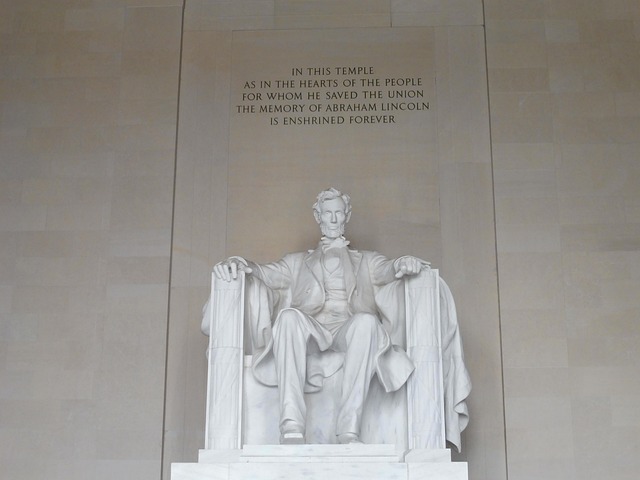
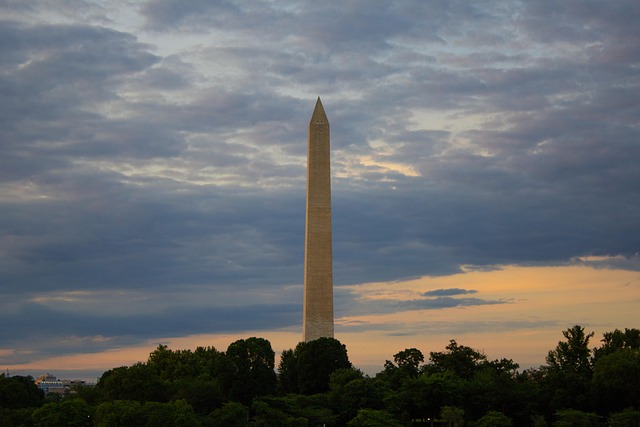
The Washington, D.C., Heritage Corridor is a vibrant tapestry of history, culture, and architectural marvels that offers visitors and locals alike an immersive experience of the city’s rich past. Stretching from the U.S. Capitol to the National Mall, this scenic route is studded with iconic landmarks, museums, and historic monuments that tell the compelling stories of America’s birth and growth. Among the must-see attractions are the Lincoln Memorial, a poignant tribute to one of the nation’s greatest leaders; the Washington Monument, offering breathtaking panoramic views from its summit; and the Smithsonian Institutions, housing an unparalleled collection of art, artifacts, and scientific wonders.
Exploring the Heritage Corridor is more than simply visiting iconic sites; it involves delving into the diverse narratives that have shaped the nation’s capital. The U.S. Capitol Building, for instance, stands as a symbol of democracy in action, while the National Museum of African American History and Culture sheds light on the complex journey of African Americans towards equality. This cultural corridor also showcases D.C.’s vibrant art scene, with galleries displaying works that reflect the city’s multicultural tapestry. By walking along these historic streets, one can almost hear the echoes of history, feel the pulse of progress, and witness the enduring legacy of our nation’s founders.
For those seeking to immerse themselves in what to see in Washington, D.C., the Heritage Corridor provides an essential map for navigating this treasure trove of cultural heritage. Whether you’re a history buff captivated by dc historic monuments or an art aficionado eager to explore diverse artistic expressions, this vibrant corridor offers something for everyone. The key lies in allowing yourself enough time to savor each experience, from standing before the grandeur of the White House to marveling at the intricate exhibits within the National Gallery of Art. So, pick up your map, embrace the journey, and let the stories of our nation’s capital come alive.
Iconic Landmarks: What to See in Washington DC

Washington DC, a city rich in history and culture, boasts an impressive array of iconic landmarks that offer visitors a glimpse into its past. When exploring what to see in Washington DC, the capital’s historic monuments take center stage, each telling a unique story. From the grand Washington Monument to the sobering National Memorial for Peace and Justice, these structures are not just architectural marvels but powerful testaments to the nation’s heritage.
The National Mall, a vast open-air museum, is home to many of DC’s most famous landmarks. Here, you’ll find the Lincoln Memorial, with its iconic sculpture and inspiring quotes, and the world-renowned White House, the official residence of the US President. The United States Capitol Building, with its dome rising majestically above the cityscape, stands as a symbol of democracy in action. These DC historic monuments are not only visually striking but also hold immense historical significance, making them essential stops for any visitor looking to understand and appreciate what Washington DC has to offer.
Beyond these well-known landmarks, the city is dotted with lesser-known gems that add depth to its rich tapestry. The National Museum of African American History and Culture, part of the Smithsonian Institution, offers a profound exploration of African American culture and history. The Library of Congress, one of the largest libraries in the world, showcases its beauty through both architecture and extensive collections. By delving into these diverse attractions, visitors can gain a more comprehensive understanding of what to see in Washington DC, uncovering layers of complexity and fascinating narratives that have shaped the nation’s capital.
Exploring DC's Diverse Architectural Styles
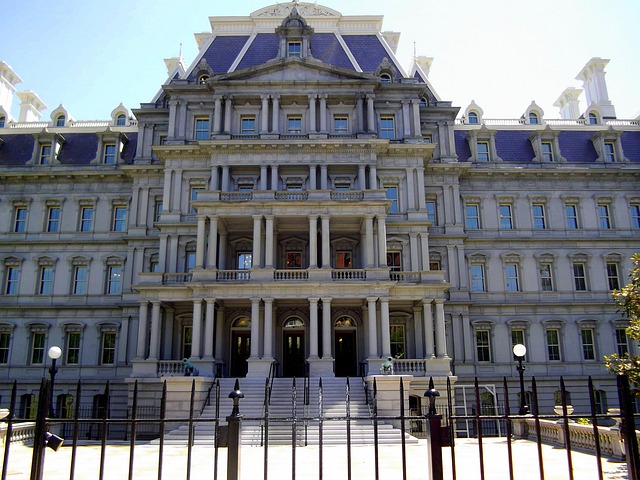
Washington DC’s architectural landscape is a testament to its rich history and diverse cultural influences, offering visitors an intriguing journey through time. Exploring what to see in Washington DC reveals a captivating array of styles that reflect the city’s evolution. From neoclassical grandeur to modern minimalist designs, each monument and building tells a unique story. The District’s historic monuments, such as the iconic Washington Monument and the majestic Lincoln Memorial, stand tall as symbols of national pride. These structures, characterized by their classical architecture, embody the nation’s commitment to preserving its past.
Delving deeper into DC’s architectural diversity, one encounters an impressive mix of Victorian, Gothic Revival, Art Deco, and contemporary styles. The charming Victorian homes in Georgetown provide a glimpse into the city’s early settlement, while the dramatic spires of St. Patrick’s Catholic Church showcase the influence of Gothic architecture. For modern enthusiasts, the Smithsonian National Museum of African American History and Culture is a standout example of contemporary design, seamlessly blending stunning architecture with powerful storytelling. This architectural variety makes navigating what to see in Washington DC an exciting experience, allowing visitors to uncover hidden gems and immerse themselves in the city’s dynamic cultural heritage.
To fully appreciate DC’s architectural tapestry, consider joining guided tours focused on historic monuments and building designs. These walks often provide insightful perspectives from architecture experts, shedding light on the influences and stories behind iconic structures. By engaging with local guides, visitors can gain a deeper understanding of the city’s complex history and the people who shaped its built environment. Whether exploring independently or with a tour group, taking time to appreciate the diverse architectural styles enhances any visit to Washington DC, ensuring a memorable and enriching experience.
Preserving the Past: Initiatives and Challenges
Washington DC, a city rich in history, faces a perpetual challenge: balancing its quest for modern urban development with the preservation of its unique heritage. The District’s historical tapestry is woven with landmarks and stories that offer visitors an authentic glimpse into America’s past. From iconic monuments to charming neighborhoods, every corner of DC tells a tale. However, as the city evolves, ensuring the longevity of these historic sites and storytelling becomes increasingly critical.
The Heritage Corridor Map serves as a testament to this delicate equilibrium. This initiative aims to highlight and connect key historical locations across the city, providing both residents and tourists with an immersive experience of DC’s diverse cultural heritage. The map strategically directs visitors to what to see in Washington DC naturally, showcasing not just the renowned monuments like the Lincoln Memorial and Washington Monument, but also lesser-known gems. For instance, exploring the historic neighborhoods of Georgetown or Shaw offers insights into the city’s diverse communities and architectural evolution.
Preserving these sites is no mere aesthetic consideration; it’s a matter of safeguarding America’s narrative. Challenges include acquiring and maintaining properties, especially in areas where land values are high. Yet, successful preservation efforts can be seen in projects like the National Historic Trust’s work to restore and rehabilitate historic buildings, ensuring they remain functional and accessible. By involving local communities in these initiatives, DC can foster a sense of pride and ownership while attracting visitors interested in immersive cultural experiences. Engaging the public through educational programs and guided tours centered around dc historic monuments further strengthens the city’s commitment to preserving its past for future generations.